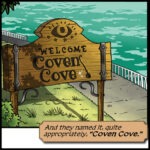
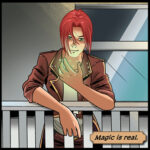
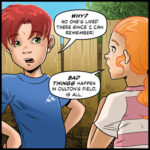
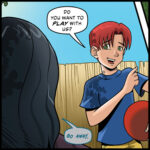
Happy New Year! 2025 was such a banger year at Twogargs, meet some of the fantastic artists who brought my comics to life! (Not pictured: Myke Guisinga, Agents of Paw artist) #twogargs
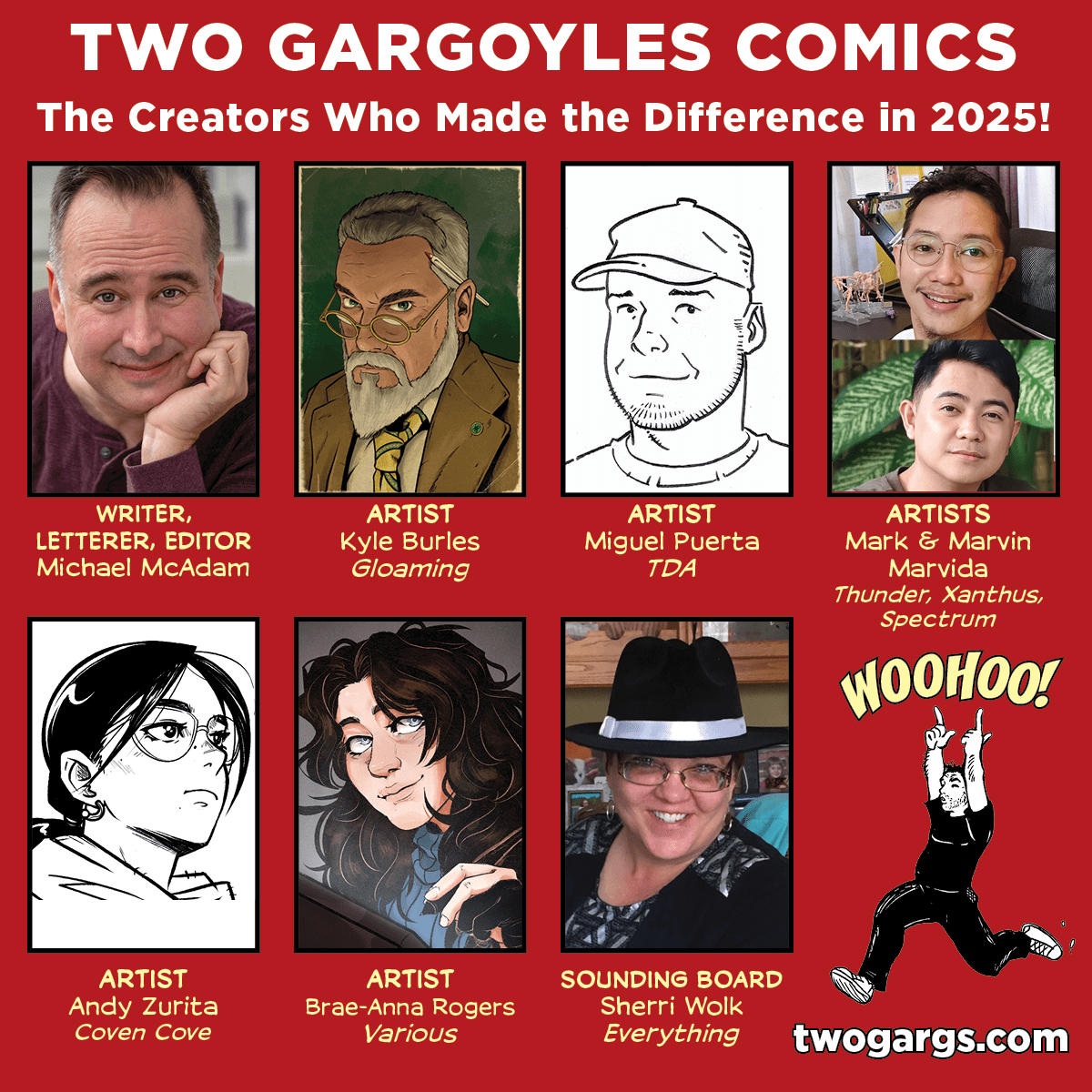



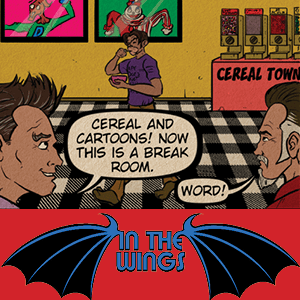


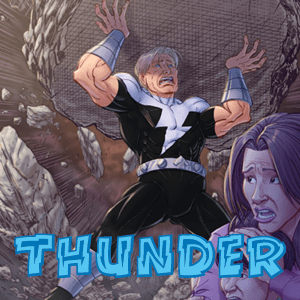


Happy New Year! 2025 was such a banger year at Twogargs, meet some of the fantastic artists who brought my comics to life! (Not pictured: Myke Guisinga, Agents of Paw artist) #twogargs
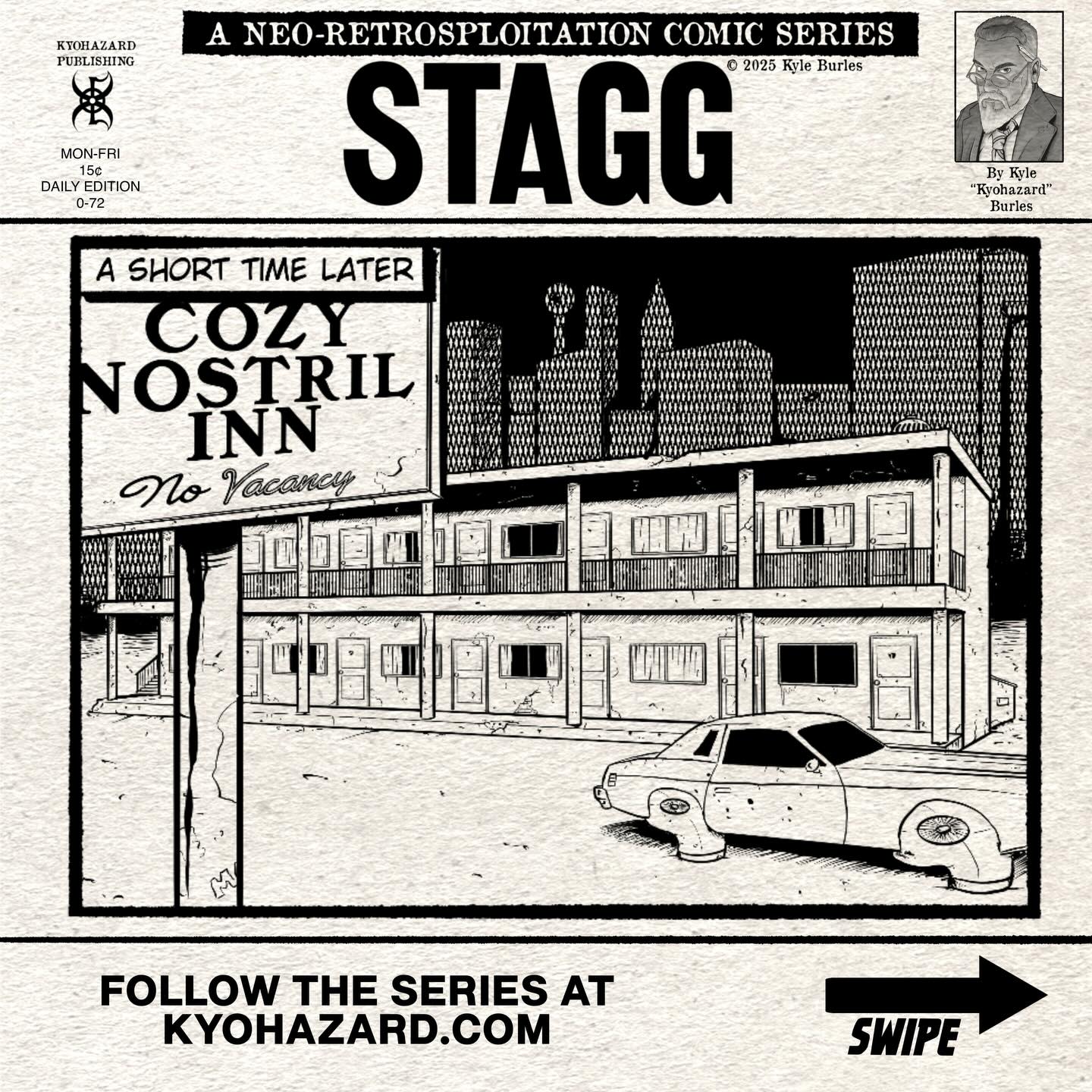
If you haven’t yet read Kyle Burles’ 1970’s sci-fi cop drama, “STAGG,” you’ve been missing out! Check it out at https://kyohazard.com !
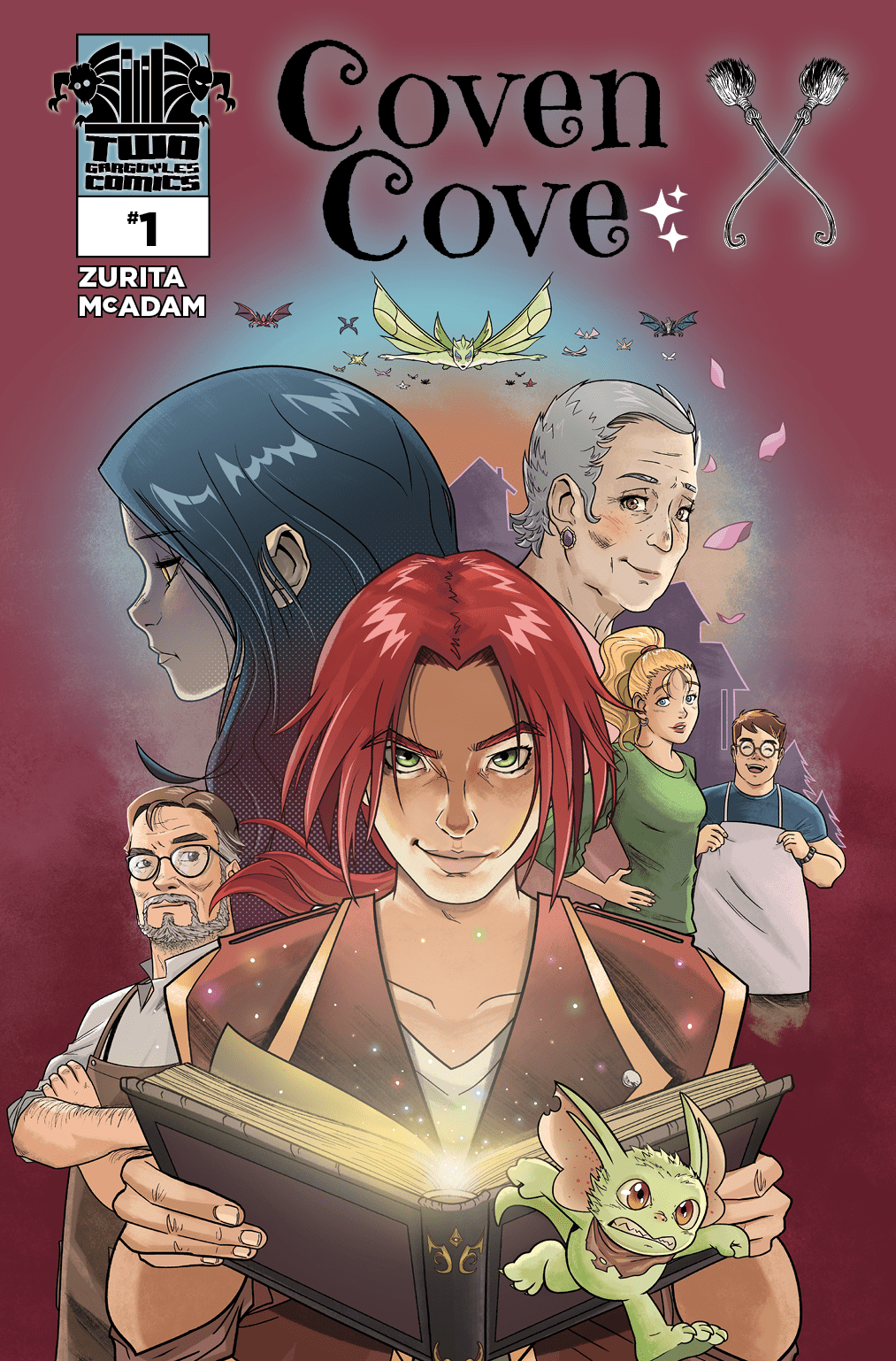
So happy to read this stellar review of COVEN COVE by First Comics News! https://www.firstcomicsnews.com/coven-cove-1-where-magic-mystery-and-mischief-meet/
Big thank you to Martin Boruta, reviewer and pal!
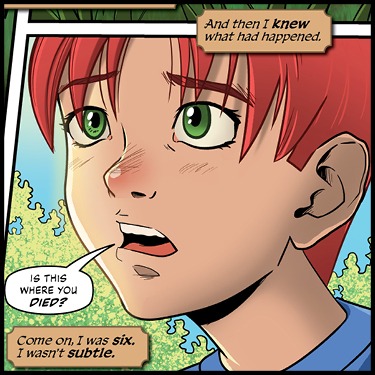
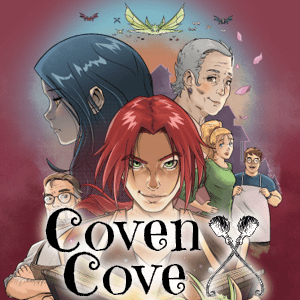
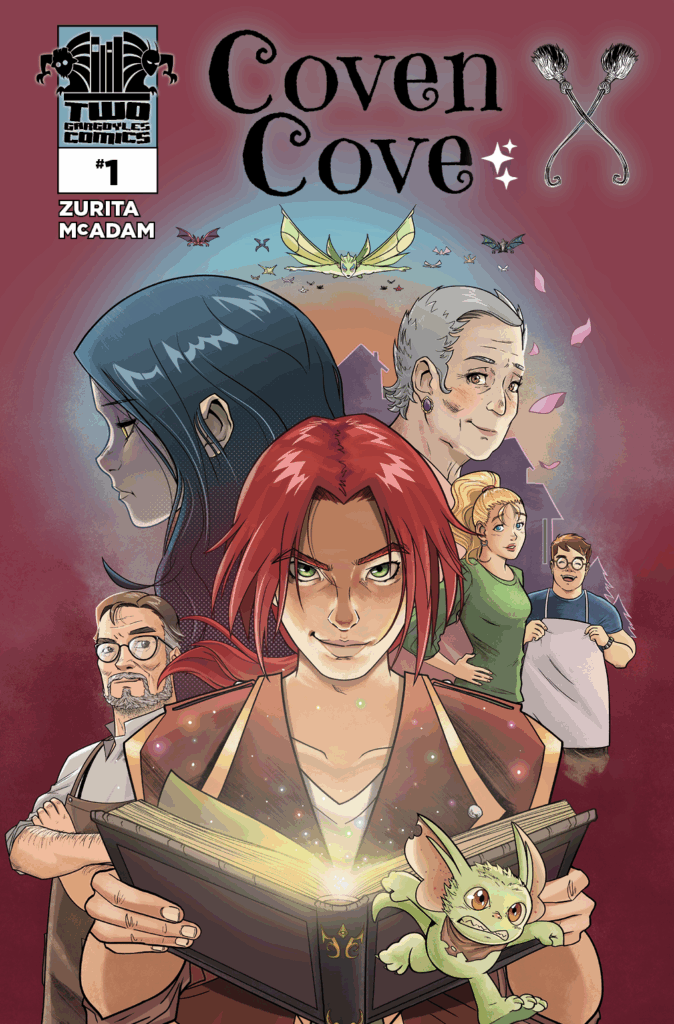
The first issue of COVEN COVE debuts on Twogargs and Substack today!
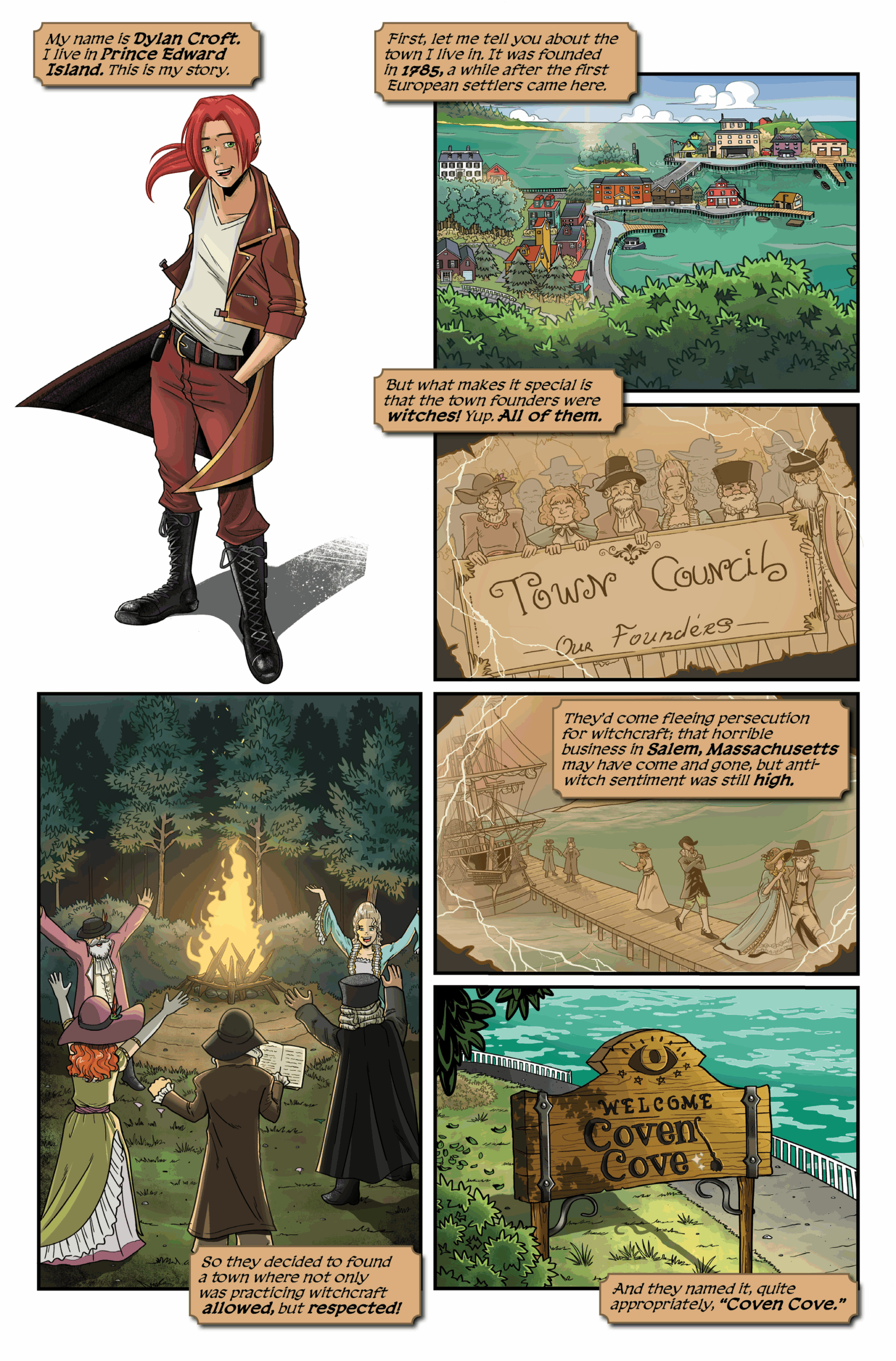
Dylan Croft, a young man gifted with the Sight, lives in a village of Witches in Prince Edward Island. He senses a darkness creeping into his idyllic home, and must turn to the Old Magic to guide him…but where will it lead?
When Witchcraft is the Way.

When I was nine years old, I read C.S. Lewis’ The Chronicles of Narnia, starting with The Magician’s Nephew (my favourite in the series) and ending with The Last Battle.
Those books, those stories, changed my life. The most dominant, entrancing character for me was Aslan the Lion, himself. Please remember I was nine years old when I first read these; there were no thoughts of allegory or What Lewis Really Meant or even What He Intended, there was only the story in the mind of a fourth-grade boy.
Narnia was the first series that entered my heart as well as my mind, becoming a focal building block, a foundational core, of my inner mythological landscape. Narnia had a purity, a hope, a we-can-all-work-together ethos that charmed my young heart. Talking animals with manners and tea and British proper-ness? Yes please!
I fell in love with them, with all of it. I saw Narnia begin in The Magician’s Nephew and saw Aslan sacrifice himself in place of Edmund in The Lion, The Witch, and the Wardrobe. And through it all, I felt as Lucy Pevensie did: She loved Aslan unreservedly. And he, in turn, loved her with all the honesty of the wild and spiritual.
Even back when I had no idea about Christian this and English Culture that, this relationship was pure. So, too, has my relationship with Aslan been.
To me, Aslan is no storybook lion. He is no representation of someone’s personal deity. He is, rather, a symbol of protection, caring, and purity to me— in the way that only an animal could be: wild and instinctual and natural.
Too, Aslan is Hope. Every time he appears, things improve just a little bit for having seen him. He guides, he leads by his mere presence. He is our souls’ voice, as I see him, speaking to us from within the truths we already know, to help us feel steady and sure as we navigate life.
I have never “outgrown” fairy tales; I have always viewed them as the truths we tell our children through story in a way they can understand: moral fables of caring and sharing, to show them how to be their best selves. So too did I realize Aslan meant more than just some words on a page, or an inspiring battle scene or a triumphant roar; he meant that Spring was coming, that Winter was over, that happiness and joy would return; he was a promise.
He still is.
When I think of Aslan, I think of a lion-shaped concept that is beyond any mere fiction or human deity; he is a wish, a thought, that I/we can all be better, seeking truth and light and watching out for each other. Aslan tells me in his inner voice that it’s all going to be okay, that I don’t need to fear what I don’t understand, to persevere and discover.
Aslan-the-concept is always with me. From him I find my joy. From him I find my strength. And I don’t want to mislead you into thinking this is a religion or a Faith-capital-F. It simply is a concept that captured my heart. A wonderful writer told a wonderful story, and it changed me, and I think for the better.
I trust my Aslan. I seek that feeling in myself and others, and I love to share the joyful light it brings me. I encourage each and every one of you to remember that when you’re creating, you could be creating an Aslan for someone else, someone that desperately needs it.
Don’t doubt your words or your feelings; put them out there. Roar with me, into the wind, and hope that our words, pictures, hopes and dreams are carried to the ears of those that need them most; for these are all our stories, our shared dreams, seeking expression at one end and fertile soil in which to grow at the other.
Keep creating, keep believing in your “Aslan.” And when you’re ready, when you feel its presence…
…Roar into the wind.
—Michael
 Canadian writer Michael McAdam presents Two Gargoyles Comics! “Twogargs” is an independent publisher of comic titles, including the genres of superheroes, comedy, horror, and urban fantasy… with more to come.
You can read all about each title and individual issue on this site using the main menu above. You can purchase digital copies of these comics right here on the site, and print copies at Indyplanet, or at DriveThruComics.
Two Gargoyles Comics is based in Alberta, Canada, and appears live at conventions in Western Canada and wherever else the winds take us!
Canadian writer Michael McAdam presents Two Gargoyles Comics! “Twogargs” is an independent publisher of comic titles, including the genres of superheroes, comedy, horror, and urban fantasy… with more to come.
You can read all about each title and individual issue on this site using the main menu above. You can purchase digital copies of these comics right here on the site, and print copies at Indyplanet, or at DriveThruComics.
Two Gargoyles Comics is based in Alberta, Canada, and appears live at conventions in Western Canada and wherever else the winds take us!

COVEN COVE #1 Page 34
600 4828 May 08, 2026

COVEN COVE #1 Page 33
484 4481 May 08, 2026

COVEN COVE #1 Page 32
483 4434 May 08, 2026
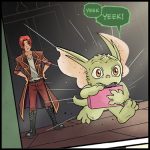
COVEN COVE #1 Page 31
480 4391 May 08, 2026

COVEN COVE #1 Page 30
485 4402 May 08, 2026
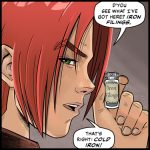
COVEN COVE #1 Page 29
478 4381 May 08, 2026
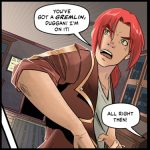
COVEN COVE #1 Page 28
478 4415 May 08, 2026

COVEN COVE #1 Page 27
472 4372 May 08, 2026
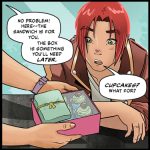
COVEN COVE #1 Page 26
478 4311 Feb 23, 2026
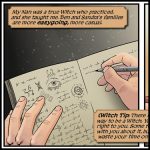
COVEN COVE #1 Page 25
445 4208 Feb 23, 2026
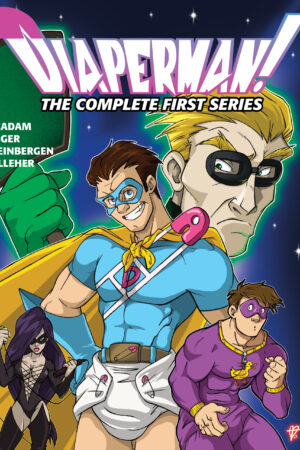 Diaperman Vol 1
$9.99
Diaperman Vol 1
$9.99
 Diaperman Vol 2
$9.99
Diaperman Vol 2
$9.99
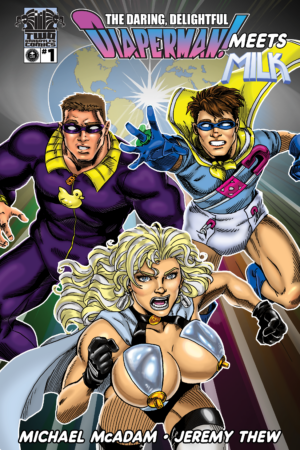 Diaperman Meets Milk
$4.99
Diaperman Meets Milk
$4.99
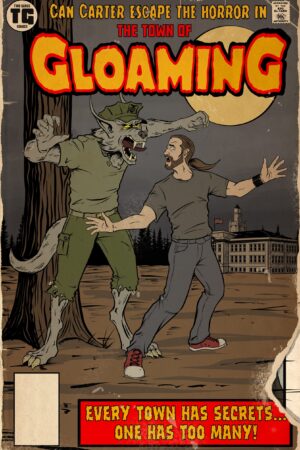 Gloaming Vol 1
$9.99
Gloaming Vol 1
$9.99
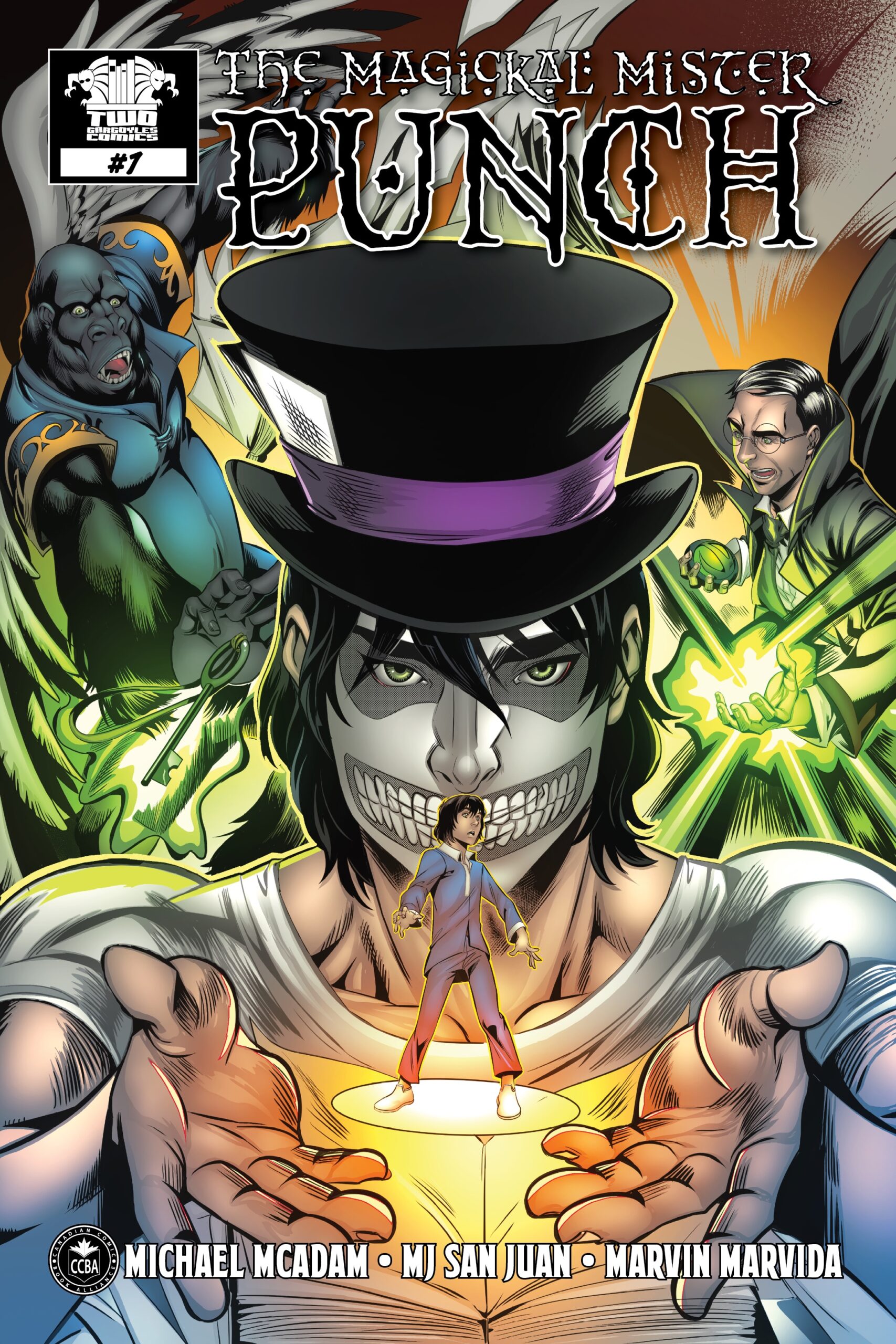 Magickal Mister Punch #1
$1.99
Magickal Mister Punch #1
$1.99